

Auckland’s rental market is evolving quickly. For property owners, the traditional choice has always been between long-term tenants and short-term accommodation platforms such as Airbnb.
However, recent legal changes around pets in rental properties have introduced a new consideration for landlords — especially those whose homes are not suitable for cats or dogs.
For many owners, short-term rentals are now becoming a practical and strategic alternative.
New Zealand’s New Pet Rules for Rental Properties
Recent changes to the Residential Tenancies Amendment Act 2024 significantly changed how pets are handled in long-term rental agreements.
Under the updated rules:
- Tenancy agreements cannot simply include a blanket “no pets” clause without reasonable grounds.
- Tenants may request permission to keep a pet, and landlords must consider the request.
- If a landlord refuses, they must provide reasonable justification.
- Landlords may charge a pet bond of up to two weeks’ rent if they approve the pet.
The law also outlines acceptable reasons a landlord may refuse a pet, such as:
- The pet being unsuitable for the property due to size or type
- The pet posing a risk of property damage
- The pet causing disruption to neighbours
- Building or property restrictions that prevent pets
While these protections exist, the legal environment increasingly encourages landlords to consider pets rather than automatically refuse them.
For some property owners, this creates a practical challenge.
The Challenge for Pet-Sensitive Properties
Certain homes are simply not ideal for animals.
- Wool carpets or premium flooring
- High-end furnishings
- Carefully maintained gardens
- Apartments with body corporate restrictions
- Newly renovated interiors
Even with pet bonds in place, many landlords remain concerned about long-term wear, odours, or damage that may not be fully covered by a bond.
This is where short-term rentals offer a different approach.
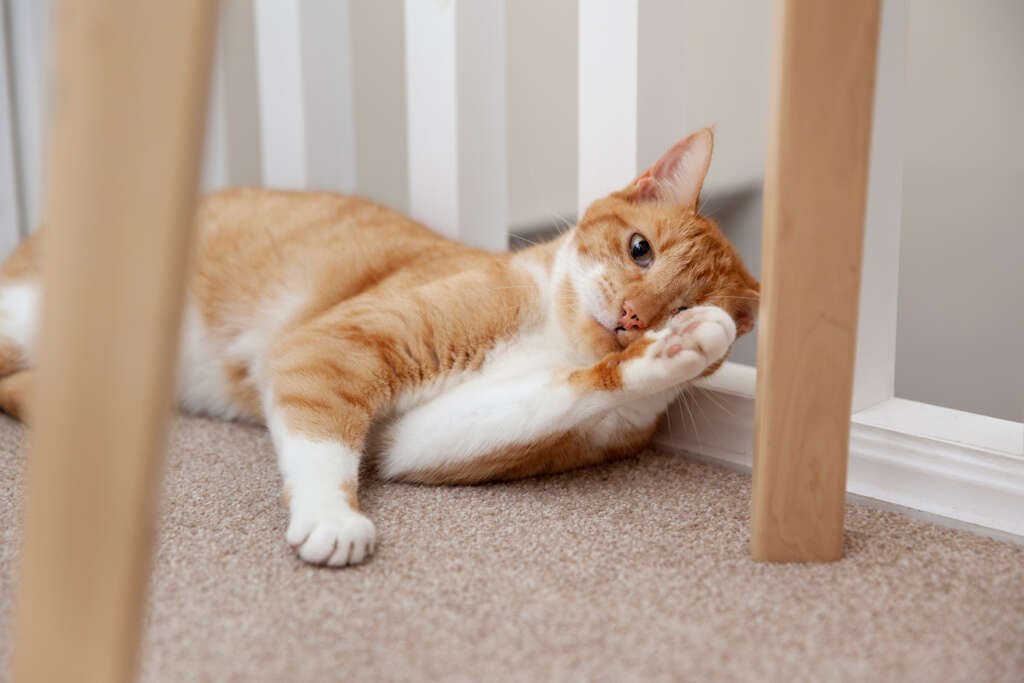
Short-Term Rentals Allow Clear No-Pet Rules
When operating a short-term rental, the owner is generally acting as a host rather than a residential landlord.
Because short-term accommodation is typically outside the scope of the Residential Tenancies Act, hosts can clearly state house rules — including a strict no-pet policy.
Guests who travel with pets simply book another property.
There is no need for legal justification, tenancy disputes, or tribunal processes.
Comparable Income Potential
In many parts of New Zealand — especially in cities such as Auckland or major tourism regions — short-term accommodation can generate comparable annual income to traditional long-term renting, depending on occupancy and management.
For owners of premium properties, this can create a valuable balance:
- Maintain strict no-pet policies
- Protect the condition of the property
- Achieve competitive rental returns
A Strategic Option for the Right Property
Short-term rentals do involve additional management, cleaning, and operational costs. However, for homes that are not suited to cats or dogs, this model offers an attractive alternative.
Instead of facing ongoing legal pressure to accept pets in a long-term tenancy, owners can maintain clear house rules while still generating strong income.
For the right property, short-term accommodation is not just flexible — it may be the most practical solution for protecting both the property and the owner’s investment.
